Healthy Foods for Men
Educational resource exploring nutrient-rich foods and balanced dietary patterns
Introduction to Healthy Foods
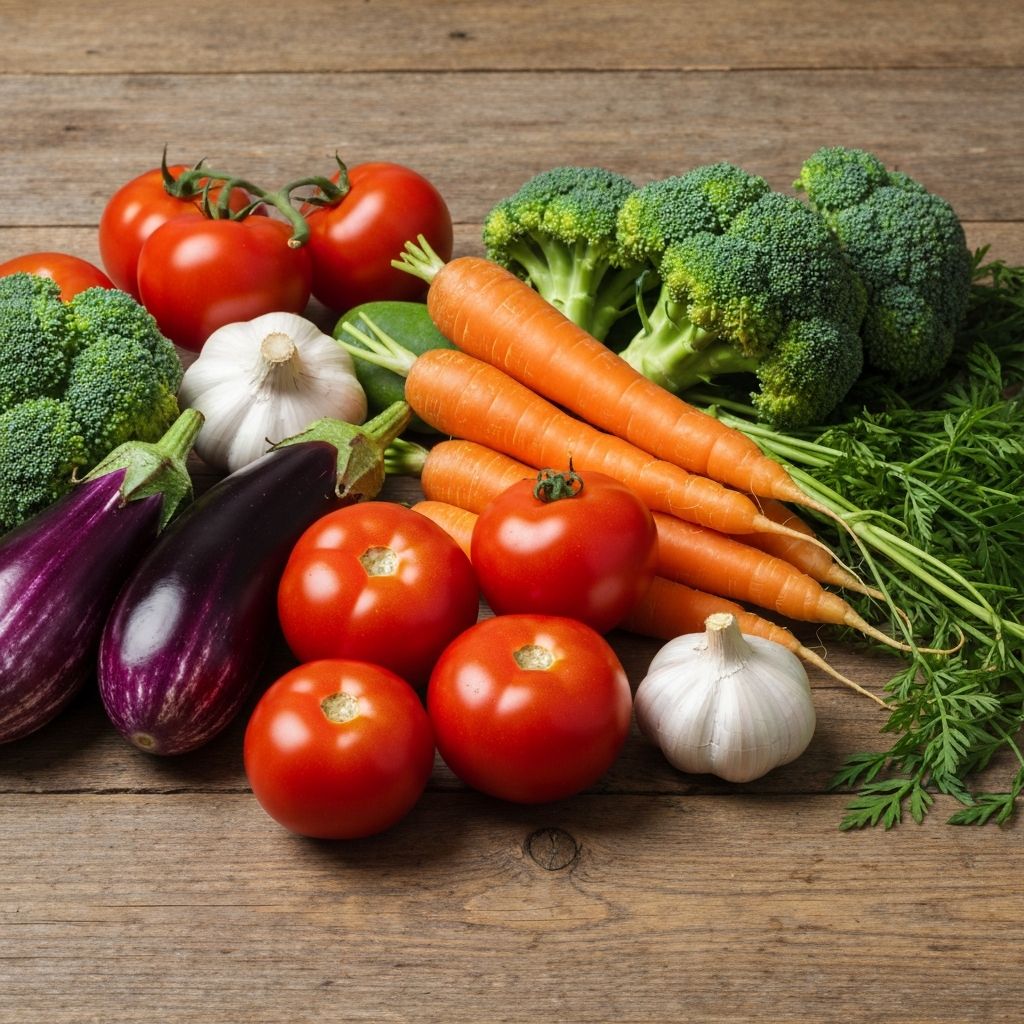
Understanding the role of nutritious foods in daily life is an important aspect of overall wellness. This educational resource provides information about various food categories, their nutritional content, and how they may fit into a balanced diet.
Men's nutritional needs can vary based on age, activity level, and individual circumstances. This site offers general educational content about food categories and nutrients, without providing personalized advice or recommendations.
Macronutrients Overview
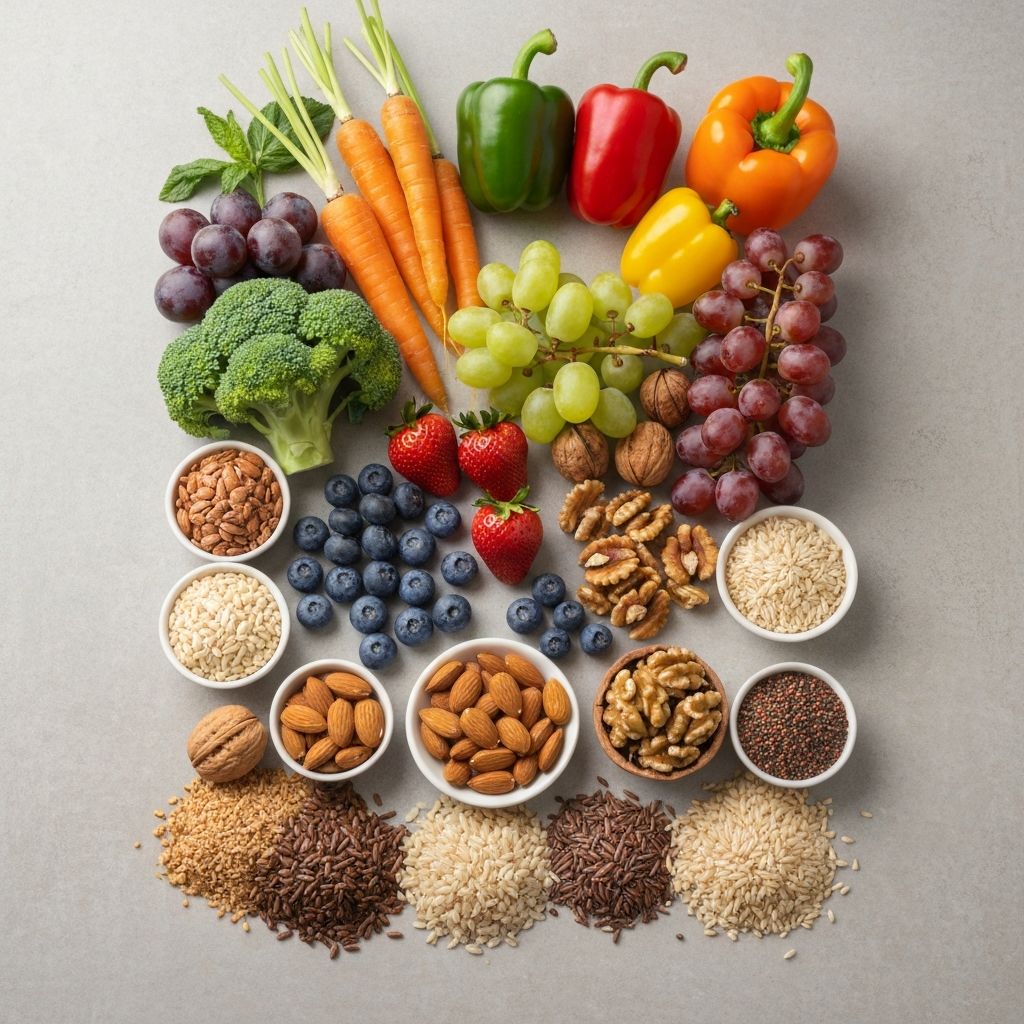
Proteins
Proteins are composed of amino acids and are found in foods like fish, poultry, legumes, nuts, and dairy products. They play various roles in bodily functions and tissue maintenance.
Carbohydrates
Carbohydrates are present in grains, fruits, vegetables, and legumes. They serve as a primary energy source for physical activities and daily functioning.
Fats
Dietary fats are found in oils, nuts, seeds, avocados, and fatty fish. They support various physiological processes and nutrient absorption.
Vitamins and Minerals Overview
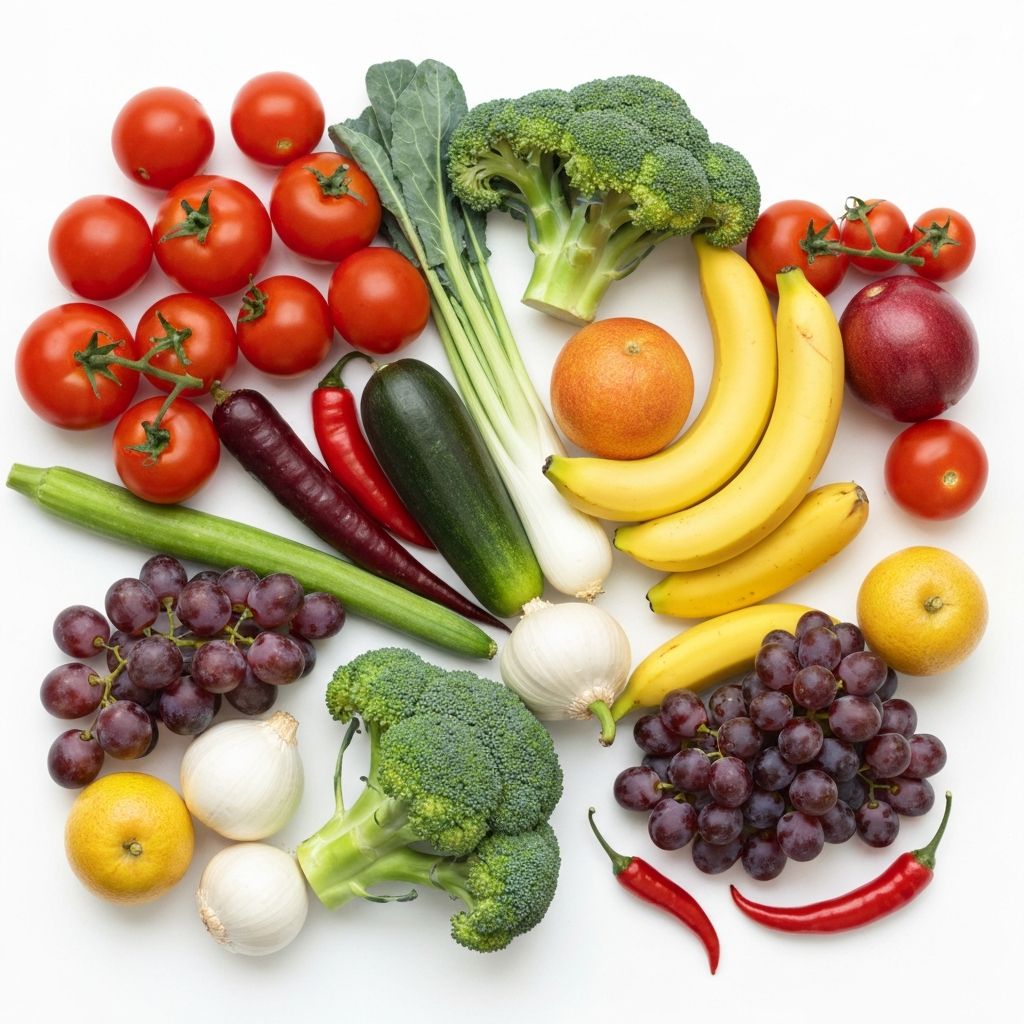
Vitamins and minerals are micronutrients that support numerous bodily functions. Different foods provide different vitamins and minerals:
- Vitamin A is found in orange and yellow vegetables like carrots and sweet potatoes
- B vitamins are present in whole grains, leafy greens, and legumes
- Vitamin C is abundant in citrus fruits, berries, and bell peppers
- Vitamin D can be obtained from fortified foods and sun exposure
- Vitamin E is found in nuts, seeds, and vegetable oils
- Minerals like zinc and magnesium are present in nuts, seeds, and whole grains
Daily Dietary Patterns
Dietary patterns refer to the combination and frequency of foods consumed over time. Various dietary approaches exist, each with different food emphases:
Mediterranean Pattern
This pattern emphasizes fruits, vegetables, whole grains, legumes, olive oil, and moderate amounts of fish and poultry. It has been studied extensively in nutritional research.
Plant-Forward Eating
Plant-forward patterns prioritize vegetables, fruits, legumes, nuts, and whole grains while including varying amounts of animal products based on individual preferences.
Food Categories and Examples
Leafy Greens and Vegetables
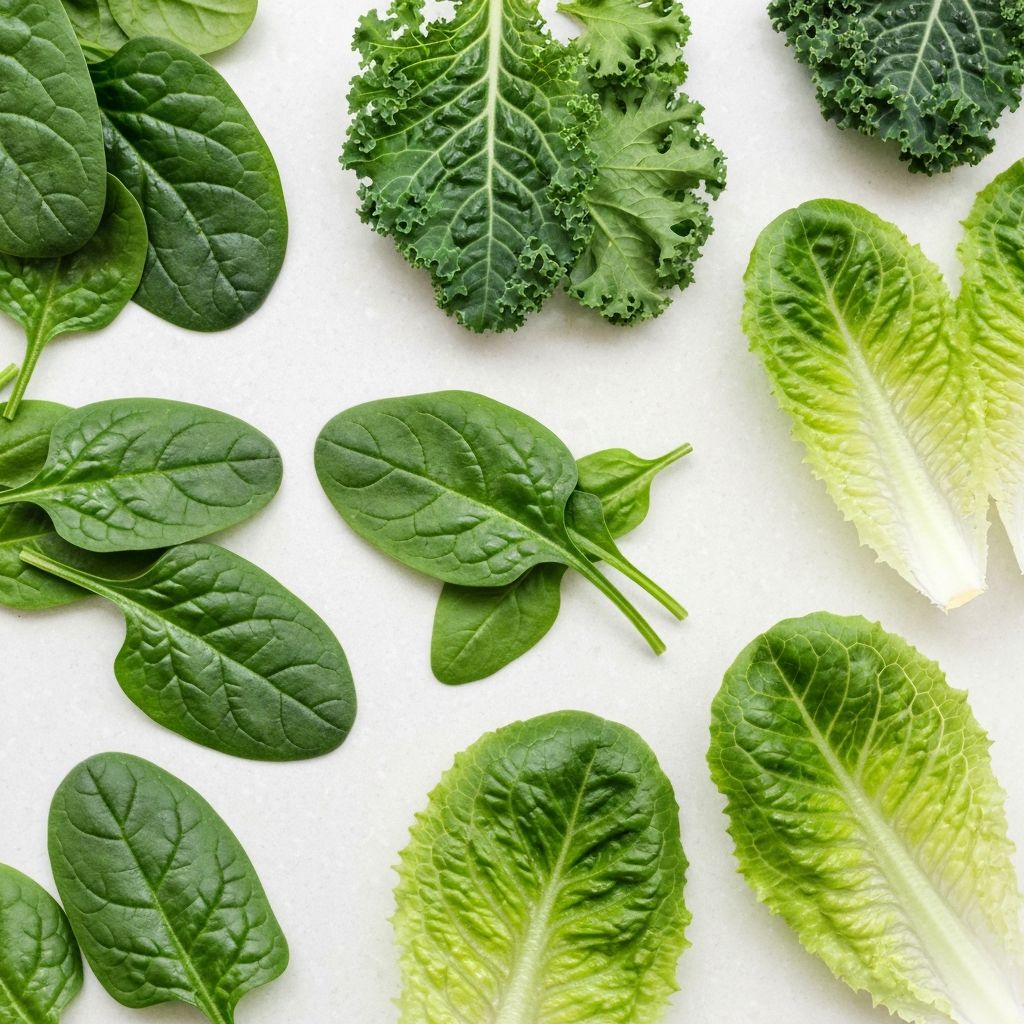
Vegetables like spinach, kale, broccoli, and bell peppers contain various vitamins, minerals, and fiber. They can be incorporated into meals in numerous ways.
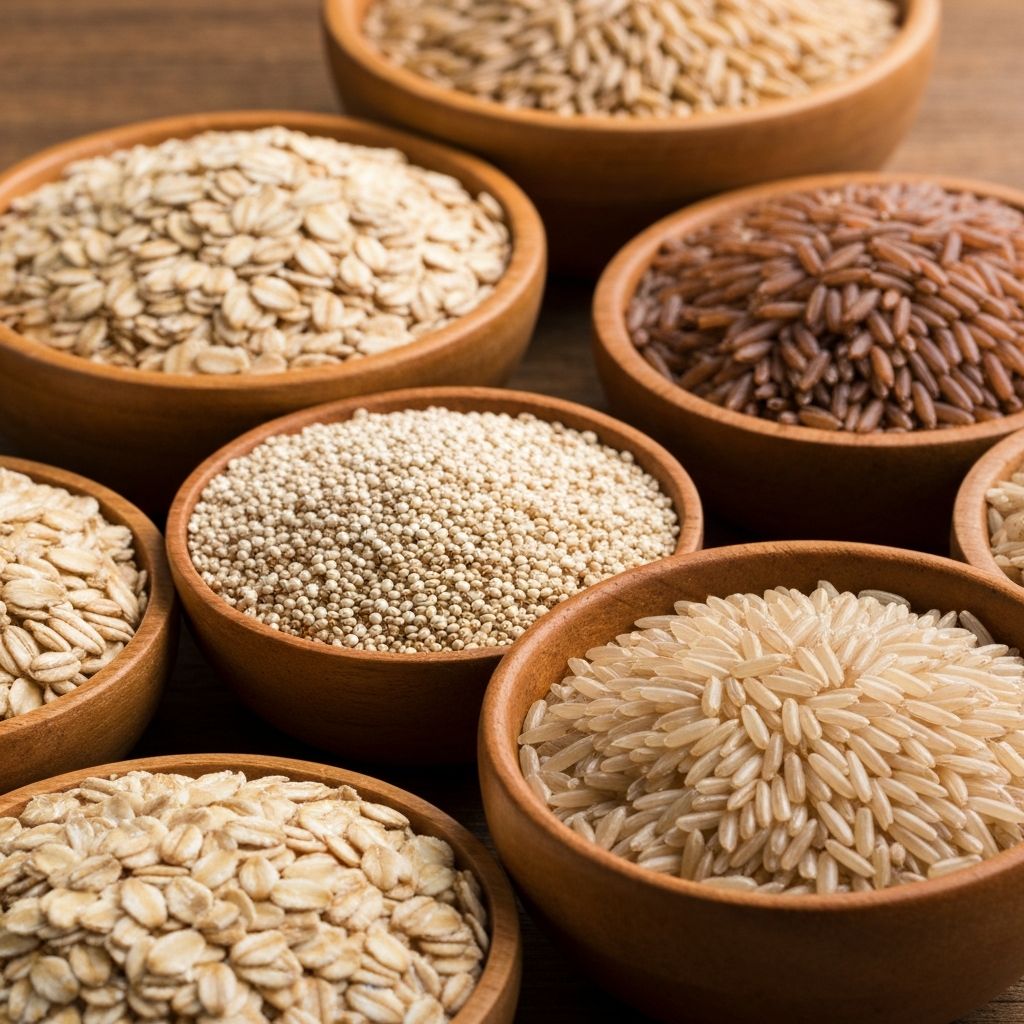
Whole Grains
Whole grains such as oats, quinoa, brown rice, and whole wheat contain fiber and B vitamins. They maintain their natural bran and germ layers.
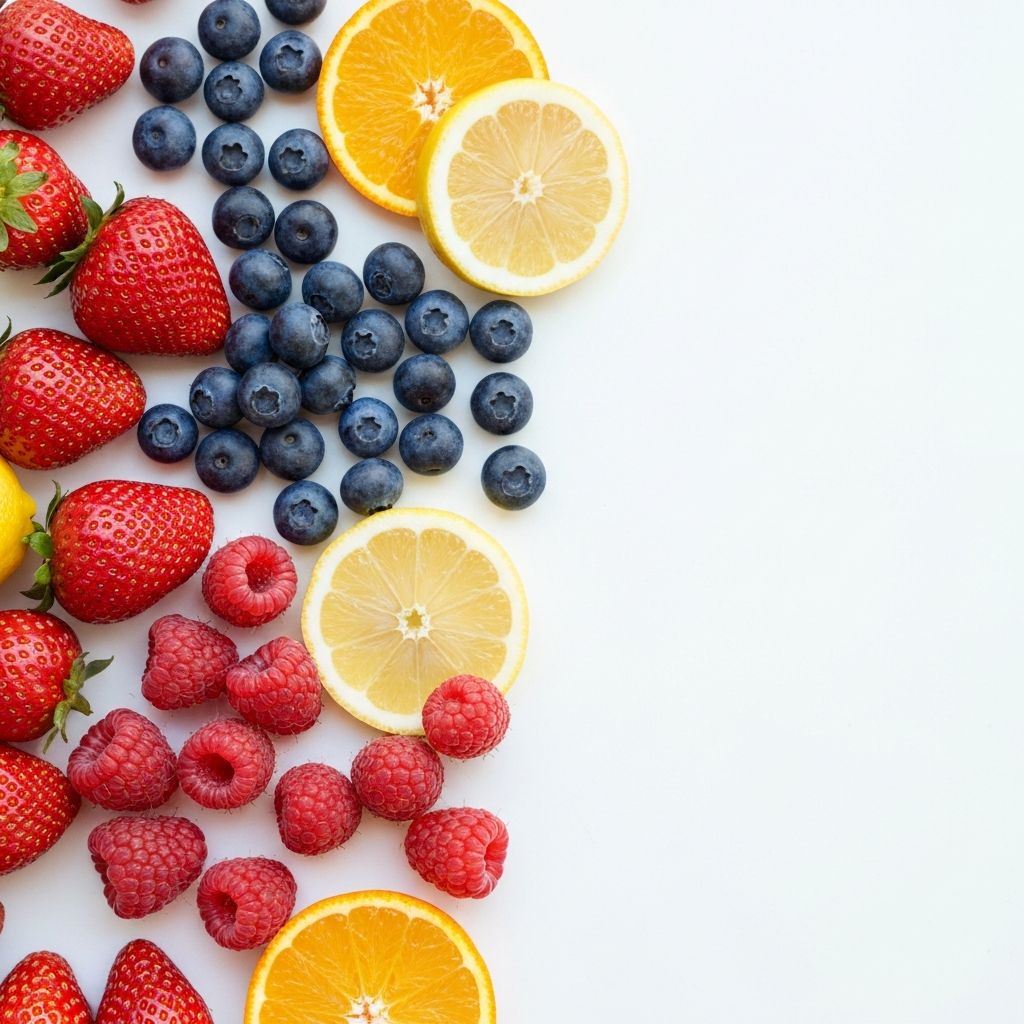
Fruits and Berries
Fruits provide natural sugars, fiber, and various vitamins. Berries, citrus fruits, and apples are examples of nutrient-dense fruit options.
Featured Food Examples
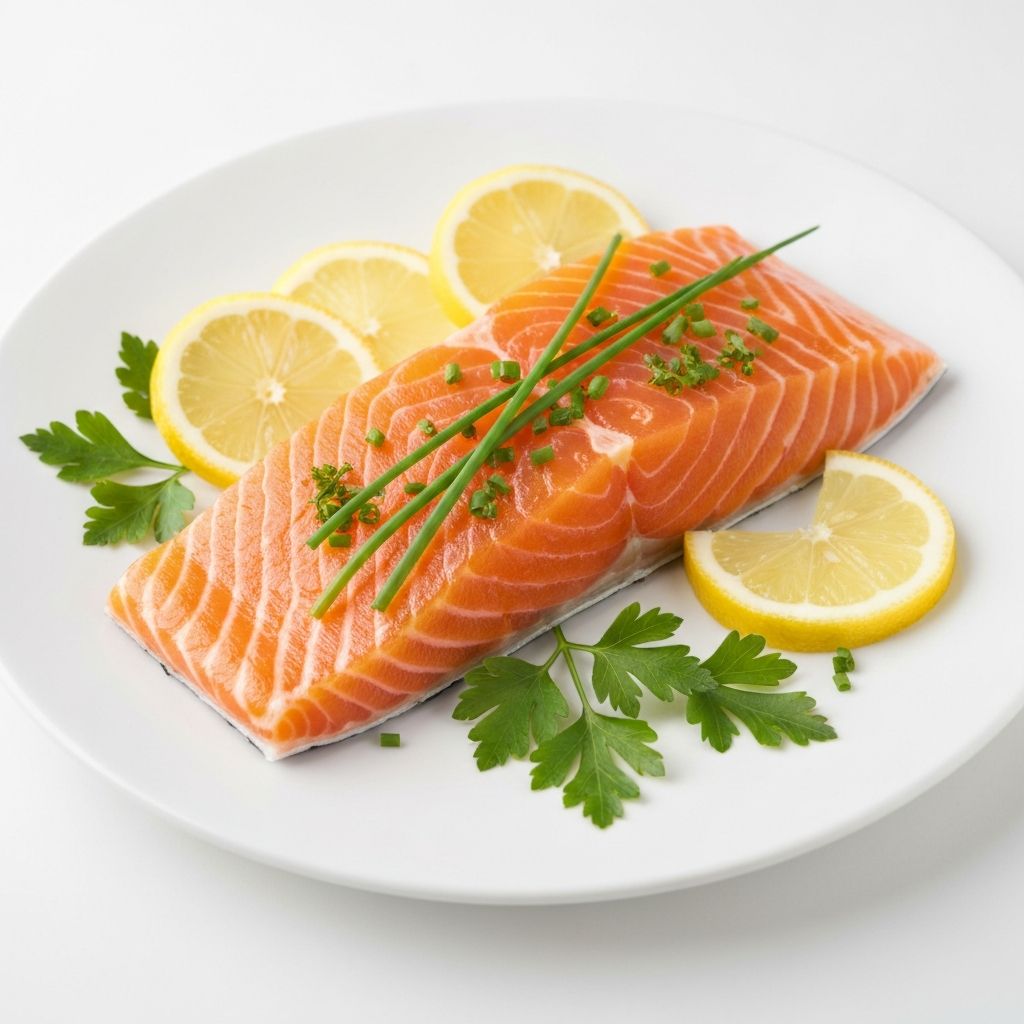
Fatty Fish
Fish like salmon, mackerel, and sardines contain omega-3 fatty acids and protein. They are commonly included in various dietary patterns around the world.
Learn more about healthy foods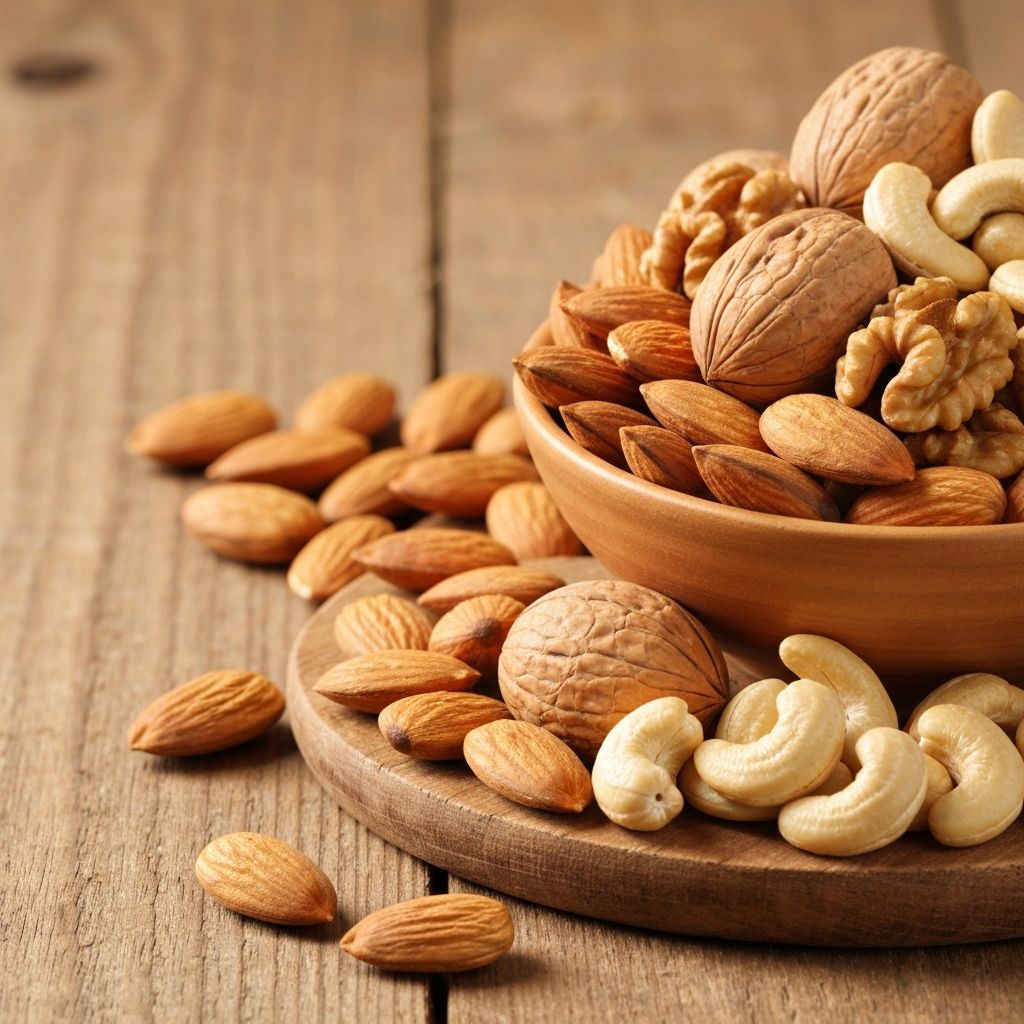
Nuts and Seeds
Almonds, walnuts, chia seeds, and flaxseeds provide healthy fats, protein, and fiber. They can be eaten as snacks or added to various dishes.
Learn more about healthy foods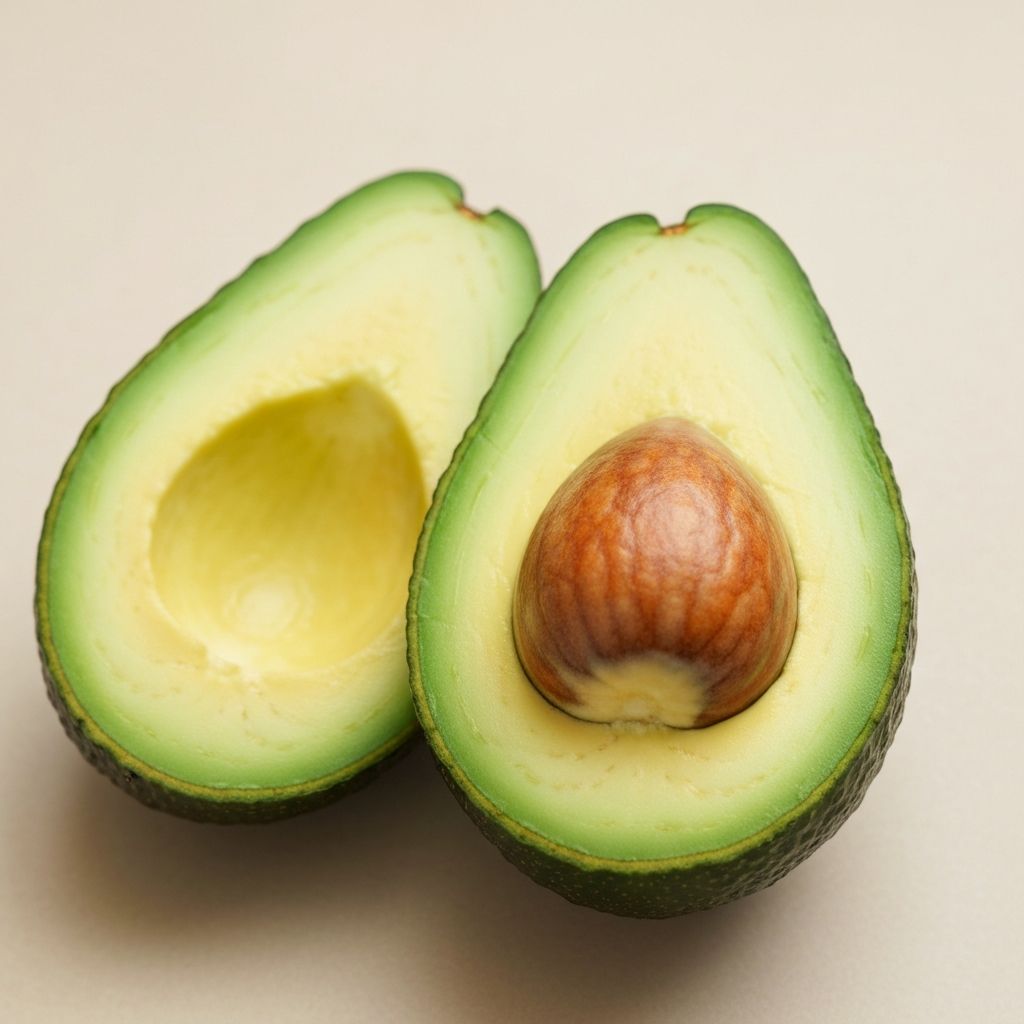
Avocados
Avocados contain monounsaturated fats, fiber, and various vitamins and minerals. They are versatile and can be used in many meal preparations.
Learn more about healthy foodsScience-Backed Insights
Nutritional science has studied the relationship between diet and health outcomes for decades. Research examines how different foods and dietary patterns may relate to various aspects of health.
Nutrient Density
Nutrient-dense foods provide substantial amounts of vitamins, minerals, and other beneficial compounds relative to their calorie content. Examples include vegetables, fruits, legumes, and lean proteins.
Whole Foods vs. Processed Foods
Whole foods are minimally processed and retain their natural nutrient composition. Research often distinguishes between whole foods and heavily processed alternatives.
Common Misconceptions
Several misconceptions exist regarding nutrition and healthy eating. This section provides educational clarification on common misunderstandings:
- Not all fats are unhealthy - some dietary fats support important bodily functions
- Carbohydrates from whole grains differ significantly from refined carbohydrates
- Individual nutritional needs vary based on numerous factors
- Balanced eating involves variety rather than elimination of entire food groups
- No single food provides all necessary nutrients

Nutritional Infographics
Understanding nutritional information can be facilitated through visual representations. Key concepts in nutrition education include:
Portion Awareness
Understanding typical serving sizes helps in meal planning and nutritional awareness.
Food Groups
Different food groups provide different nutrients, supporting the concept of dietary variety.
Hydration
Water intake is an essential component of daily nutritional considerations.
Meal Timing
Different approaches to meal frequency and timing exist across various cultures and lifestyles.

Practical Tips Overview
Incorporating nutritious foods into daily routines involves various practical considerations:
- Planning meals in advance can help ensure variety
- Reading nutrition labels provides information about food composition
- Preparing meals at home allows control over ingredients
- Exploring different cooking methods can enhance food enjoyment
- Experimenting with herbs and spices adds flavor without excess sodium
Continue Learning
This educational resource provides general information about foods and nutrition. For personalized guidance, individuals should consult with qualified professionals.
Read moreAdditional Resources
Learning about nutrition is an ongoing process. Various reputable sources provide evidence-based information about food and health:
- Peer-reviewed nutritional journals publish research findings
- Government health agencies provide dietary guidelines
- Registered dietitians offer evidence-based nutritional education
- University nutrition departments conduct research and education
Educational Information Notice
The content provided on this website is for educational and informational purposes only. It does not constitute personalized nutritional advice, medical guidance, or professional consultation. Individual dietary needs vary based on numerous factors. For personalized recommendations, please consult with qualified healthcare or nutrition professionals. Educational content only. No promises of outcomes.